
How to Prepare For a Trade Show
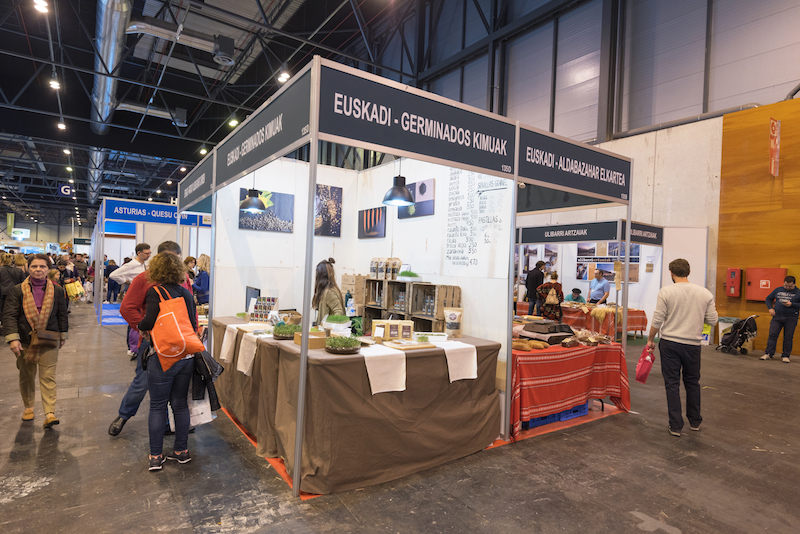
Most trade show advice is about the booth. Banners, lighting, carpet, how to stand out on the floor.
But if you are a wholesale brand, the show is not a branding exercise. It is three days to write orders and open accounts, and the things that decide whether that happens are the paperwork you bring and what you do in the two weeks afterwards. A beautiful booth with no order forms is an expensive weekend.
Start six months out
You cannot hear about a show in March and exhibit properly in April. Six months is a realistic minimum; the larger shows want applications further out than that, and the good booth positions go early.
A rough timeline:
- 6 months — shortlist shows, request exhibitor packs, budget
- 4–5 months — apply, pay the deposit, book travel and accommodation before the block rates go
- 3 months — finalise the range you are showing and lock your wholesale prices
- 6–8 weeks — line sheets and order forms to print; samples finished
- 2–4 weeks — email your existing accounts and any prospects to book appointments
- 1 week — pack, confirm shipping of stand and samples, print extra everything
The appointment-booking step is the one first-timers skip, and it is the one that separates a busy booth from three days of hoping.
Choosing the right show
Every industry has more shows than any brand should attend. Two directories are useful for narrowing them down:
- TSNN — effectively a search engine for trade shows, filterable by industry, location, date and organiser
- 10times — profile pages per show with organiser details, exhibitor lists and nearby hotels
If it is your first, go smaller. At a major show you compete for attention with brands spending more on their stand than you will spend all year, and buyers move fast. A regional or trade-specific show gives you longer conversations, a cheaper mistake if it goes badly, and a real number to judge the bigger shows against.
Check the show before you commit
Before the deposit goes in:
- Who actually attends? Ask the organiser for the attendee breakdown, not the headline number. Two thousand buyers is a different proposition from two thousand attendees who are mostly other exhibitors.
- Which brands exhibited last year? If nobody comparable to you was there, that tells you something. So does a floor full of direct competitors — sometimes good, sometimes a warning.
- Is it easy to get to? Buyers skip halls that are awkward to reach.
- How is it marketed? A show that does not promote itself to your buyers is selling you floor space, not access.
Where you can, ask a brand that exhibited last year whether they went back. That one question is worth more than the whole media pack.
What the stand actually costs
Registration is an exhibitor application, usually through the show’s site or the organiser. The booth fee is rarely the whole bill. Budget separately for furniture hire, electricity, Wi-Fi, stand construction or hire, shipping your samples and stand, drayage, insurance, travel and accommodation.
First-timers routinely find the extras match the booth fee. Get the full price list from the organiser before you commit.
Set a number, not a feeling
“Raise our profile” is not a goal you can evaluate. Pick figures before you go:
- Orders written at the show, in value
- New accounts opened
- Qualified leads captured — buyers with real intent, not badge scans
- Appointments booked in advance
- Total cost, so you can divide it by the above afterwards
Write them down before the show. Working out what “good” looked like after the fact is how brands talk themselves into returning to a show that lost them money.
What to bring: the commercial kit
This is the part that decides whether you write orders, and it gets a fraction of the attention the booth does.
- Line sheets, printed and digital. Bring far more than you think — buyers take one from every brand they like. Have a PDF ready to email the same day, because the printed one gets lost in a tote bag by Thursday. Our guide to what belongs on a line sheet covers the fields buyers need.
- Order forms you can write on at the booth. A buyer ready to order and no way to capture it is the most expensive thing that can happen on the floor. A wholesale order form on a clipboard beats “I’ll email you tonight”.
- Samples of everything you are showing. Buyers need to handle the product. A photo will not close a wholesale order.
- Your terms in writing. Minimum order, delivery windows, payment terms, and your MAP policy if you have one. Buyers ask, and “I’ll check” costs you momentum.
- A price list showing wholesale and RRP together, so buyers can see their margin without doing arithmetic in front of you.
- Something to capture contacts with — more on that below.
Get your pricing settled well before any of this is printed. If you are not confident in it, our guide to wholesale pricing and keystone margins walks through the formula.
The booth, briefly
It matters, but less than the amount written about it suggests. Three things do most of the work:
- Your name readable from across the aisle. A retractable banner or tension fabric display does this cheaply and packs into a case you can carry. Skip the elaborate custom build for your first few shows.
- Light your product. Hall lighting is flat and unflattering. Clip lights or a small track are the highest-return spend on the whole stand.
- Space to stand and talk. A stand crammed to the edges leaves nowhere for a conversation, and conversations are what you came for.
Working the booth
The unforced errors are consistent across every show floor:
- Sitting at the back waiting to be approached
- Looking at a phone
- Eating in the booth
- Talking to your own colleagues rather than to passers-by
- Leaving the stand unattended over lunch, which is when some buyers walk the floor precisely because it is quieter
Stand at the front, make eye contact, and open with something other than “can I help you”. If two of you are working the stand, stagger breaks so it is never empty.
Capturing leads you can actually use
A pile of business cards with no context is close to worthless three weeks later. Whatever you use — badge scanner, tablet, or a notebook — capture the same four things every time:
- Who they are and which store they buy for
- Which specific products they responded to
- What they asked for that you could not answer on the spot
- What you agreed to send, and by when
Write it down while they are still walking away. You will not remember on day three.
The follow-up, which is where shows are won
Most brands do the show well and the fortnight afterwards badly, and that is where the return actually sits.
- Within 48 hours — email everyone you spoke to, referencing the specific products they liked, with the line sheet attached. Generic round-robins get deleted.
- Within a week — send whatever you promised at the booth. Samples, pricing, a swatch, an answer.
- Two to three weeks — follow up the ones who showed real interest and have gone quiet. Buyers come back to a full inbox and yours has sunk.
- After 30 days — tally orders, accounts and cost against the numbers you set, and decide about next year while it is fresh.
Have the follow-up email drafted before you travel. You will be too tired afterwards to write it well.
Getting the paperwork ready
If your products already live in Shopify, BigCommerce, WooCommerce, Wix or Ecwid, Foldsquare generates print-ready line sheets from that data, so the version you hand a buyer and the version you email that evening are the same document — and reprinting for the next show is a re-export rather than a redesign.
If you would rather start from a blank, our free line sheet templates and wholesale order form templates cover the essentials.